
Health & Fitness
Strava Review 2026
Our verdict: Strava is still the best social fitness platform on the planet — unmatched community, segments, and tracking depth — but the free plan keeps shrinking, and serious athletes will pay $79.99 a year to unlock it fully.
No fitness app has a moat like Strava's. With more than 130 million athletes across 190+ countries, it is less a workout tracker and more the social network for people who run, ride, swim, hike, and lift. Upload a morning run and your friends give it kudos before you've finished your coffee; race the clock on a segment near your house and you're suddenly competing with everyone who has ever run it.
We spent weeks testing Strava on Android and paired with GPS watches — logging runs, rides, and walks, joining clubs and challenges, and running the free and subscription tiers side by side — to see what still holds up in 2026 and where the paywall now bites. This review covers what it does, the features that matter, what it actually costs, where it falls short, and who should make it their training home.
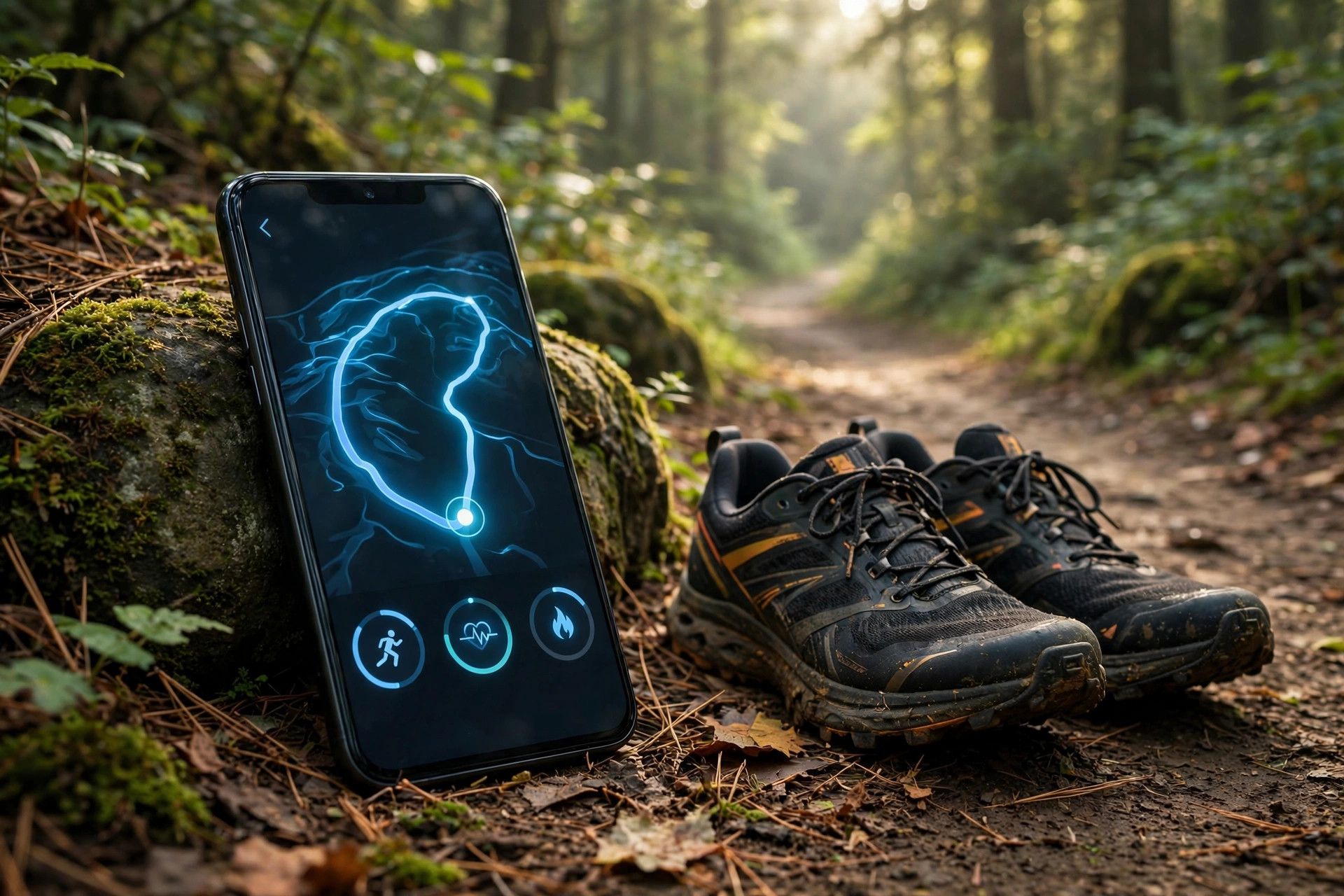
What Strava does
Strava records your workouts — running, cycling, swimming, hiking, walking, strength training, and dozens more — using your phone's GPS or a paired wearable, then turns each activity into a shareable post with your map, pace, distance, elevation, heart rate, and splits. Your followers see it in their feed, tap kudos (Strava's version of a like), leave comments, and that small loop of social accountability is the reason people lace up on cold mornings.
Beyond tracking, Strava is a competition platform. Segments — user-created stretches of road or trail with leaderboards — turn any route into a race against real times: yours from last month, your rival's from yesterday, or the course record. Clubs gather local runners and cyclists, monthly challenges hand out digital badges for distance goals, and the route builder (supercharged by Strava's FATMAP acquisition) plans runs and rides on detailed trail maps that sync to your watch or phone for turn-by-turn guidance.
Standout features
Segments and leaderboards
Segments are Strava's signature invention and still its killer feature. Any stretch of road or trail can become a timed segment, and every time you cross one, Strava ranks your effort against everyone who has ever recorded it — overall, your age group, your weight class, and people you follow. Chasing a top-10 spot or your own personal record on a local climb is genuinely addictive, and no rival app has a competitive layer this deep.
The social graph
The feed is where Strava wins hearts. Kudos, comments, clubs, and challenges create a motivation loop that pure trackers can't match: you see a friend's 10K and you're out the door tomorrow. Strava understood earlier than anyone that fitness is social, and with the largest athlete community in the world, the network effect is real — your running club is probably already here.
Routes, heatmaps, and offline maps
Strava's route builder suggests runs and rides based on where athletes actually go — the global heatmap shows the most-traveled roads and trails, which is gold for finding safe, popular routes in a new city. Subscribers get offline maps and turn-by-turn navigation on the phone, plus custom route recommendations. For trail runners and gravel cyclists, this alone justifies a look.
Athlete Intelligence and AI training insights
Strava has moved fast on AI. Athlete Intelligence turns each activity into a plain-language summary and spots trends across your recent training — heart-rate zones, pace, relative effort — and subscribers can now ask natural-language questions about their own training history through an external AI assistant: "are my easy days easy enough?" or "how is my cross-training affecting my running?" It's one of the first native integrations of its kind from a major fitness platform, and genuinely useful rather than gimmicky.
Device integration and the training ecosystem
Strava plays well with everything: Garmin, Apple Watch, Wahoo, Coros, Polar, and thousands of apps sync activities automatically. Through its acquisitions of Runna and The Breakaway in 2025, Strava added structured run-training plans and cycling coaching to the ecosystem — a $149.99/year Strava + Runna bundle now exists for runners who want a plan feeding straight into their Strava data. Beacon safety tracking (subscriber) shares your live location with chosen contacts during activities.
Pricing tiers
Strava is freemium, and the free tier is still genuinely generous: unlimited activity uploads, the full social feed with kudos and comments, clubs, basic route planning, and top-10 segment leaderboards cost nothing. That's enough for most casual runners and cyclists.
- Free ($0): unlimited activity uploads, social feed, kudos and comments, clubs and challenges, basic routes, top-10 segment leaderboards
- Subscription ($11.99/month or $79.99/year): full and filtered segment leaderboards, Live Segments, Fitness & Freshness training load, race and performance predictions, offline maps and heatmaps, custom heart-rate zones, power analysis, Athlete Intelligence, Beacon — 30-day free trial included
- Family ($139.99/year): everything in the subscription for up to four people, about $2.92 per person per month at full capacity
- Student (50% off, ~$39.99/year): full subscription benefits for verified students
- Strava + Runna bundle ($149.99/year): Strava subscription plus Runna's structured run-training plans
The honest math: $79.99 a year is steep if you only want basic tracking and the social feed — the free plan already does that. Pay only if you'll use the training tools, full leaderboards, and offline maps. Watch for January and Black Friday promotions, which often extend the trial or discount the first year.
Who it's for
Strava is ideal for runners and cyclists who train regularly, love data, and get motivated by community — the segment chasers, the club regulars, the people comparing splits with friends. If you own a GPS watch and already log workouts, Strava is the obvious home for that data and the social layer makes you more consistent.
It's not for everyone. Beginners who need guided, step-by-step coaching will find Strava light on hand-holding — a structured program app like FitOn or Nike Training Club (see our best fitness apps roundup) pairs better with it. Strength-focused athletes get little here beyond basic logging, and privacy-conscious users should set up privacy zones around their home and workplace, since public activities can reveal where you start your runs.
Getting started with Strava
- Install and create a free account. Download Strava from the Play Store and sign up — the free plan needs no card and covers tracking, the feed, and clubs.
- Connect your watch. Pair your Garmin, Apple Watch, or other wearable so activities sync automatically. Phone GPS works, but a watch is more accurate and saves battery.
- Set privacy zones first. Before uploading anything, add privacy zones around your home and office in settings — public start and end points are the most common privacy mistake.
- Follow friends and join a club. Search for your local running or cycling club and follow a few friends. The social layer is what keeps you coming back.
- Run the 30-day trial before paying. Try the subscription's training tools, full leaderboards, and offline maps on real workouts for a month. If you didn't miss them, the free plan is your answer.
What we like
- Largest fitness community in the world — the social motivation loop actually works
- Segments turn everyday routes into real competition with deep leaderboards
- Best-in-class GPS tracking with near-universal device support
- Routes, heatmaps, and offline maps are superb for runners and cyclists
- Free plan is generous: unlimited uploads, feed, clubs, and basic segments
What could be better
- Key features keep moving behind the paywall — frustrating for long-time free users
- $79.99/year is steep if you mainly want tracking and the social feed
- Thin on guided coaching and strength-training content for beginners
- Public activities can expose your location — privacy settings need attention
- Phone-only GPS tracking drains battery on long activities
Free to download — links go to the official Google Play Store listing. We never host APK files.
Frequently asked questions
Is Strava free?
Yes, Strava has a generous free plan with unlimited activity uploads, the social feed, kudos, clubs, basic route planning, and top-10 segment leaderboards. The paid subscription ($11.99/month or $79.99/year) unlocks deeper training analytics, full leaderboards, offline maps, and AI-powered training insights.
How much does a Strava subscription cost?
An individual Strava subscription costs $11.99 per month or $79.99 per year (about $6.67/month), with a 30-day free trial. A family plan covering up to four people is $139.99 per year, and verified students get 50% off the individual plan.
Is Strava good for beginners?
Strava works for beginners as a free tracker and motivator, but it shines for runners and cyclists who already train regularly. Beginners wanting guided, step-by-step workout programs may prefer a coaching app like Runna, FitOn, or Nike Training Club alongside it.
Is Strava accurate for tracking runs and rides?
Yes. Strava's GPS tracking is among the most reliable in the industry, and it syncs seamlessly with Garmin, Apple Watch, Wahoo, Coros, and dozens of other devices. Results are most accurate when recorded on a dedicated GPS watch rather than a phone alone.